Macedonia is entering a crucial phase of energy system transformation: the country is not only investing in the stability and modernization of its own grid, but has also become an active player in regional connectivity and energy integration. With new interconnectors, strategic transformer stations and investments in smart energy infrastructure, the country is setting the course towards energy independence and the role of a regional energy corridor.
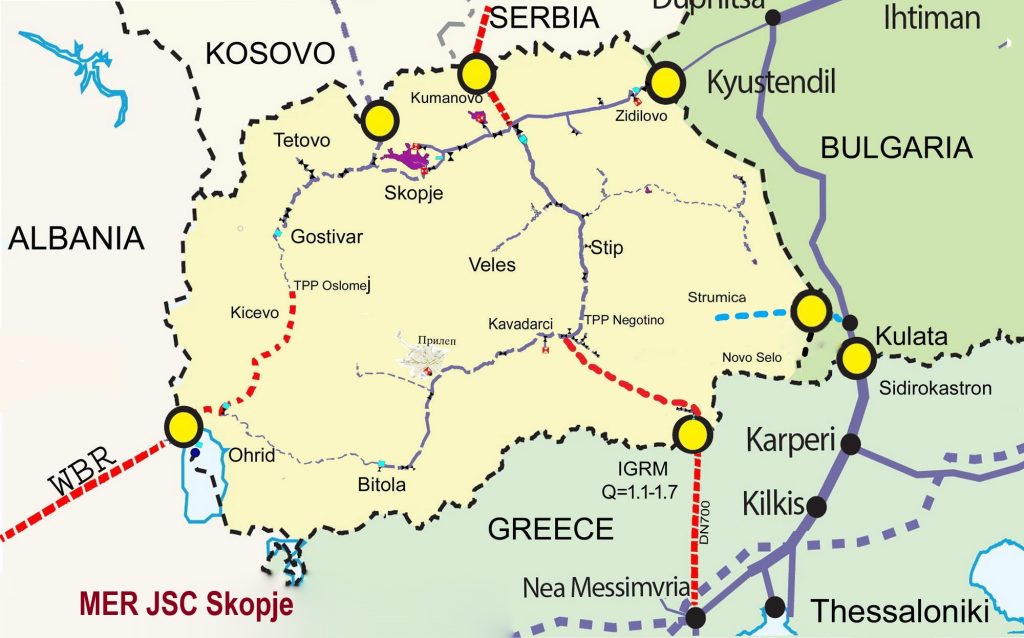
In the coming days, the construction of the gas interconnector with Greece will officially begin – a capital project that brings a double benefit: security of supply and the possibility of transit to third countries. The interconnector is 68 kilometers long and will transport not only natural gas, but also hydrogen. Savings of 12 million euros have been achieved and it will be built by a Macedonian company – a direct benefit for the domestic economy.
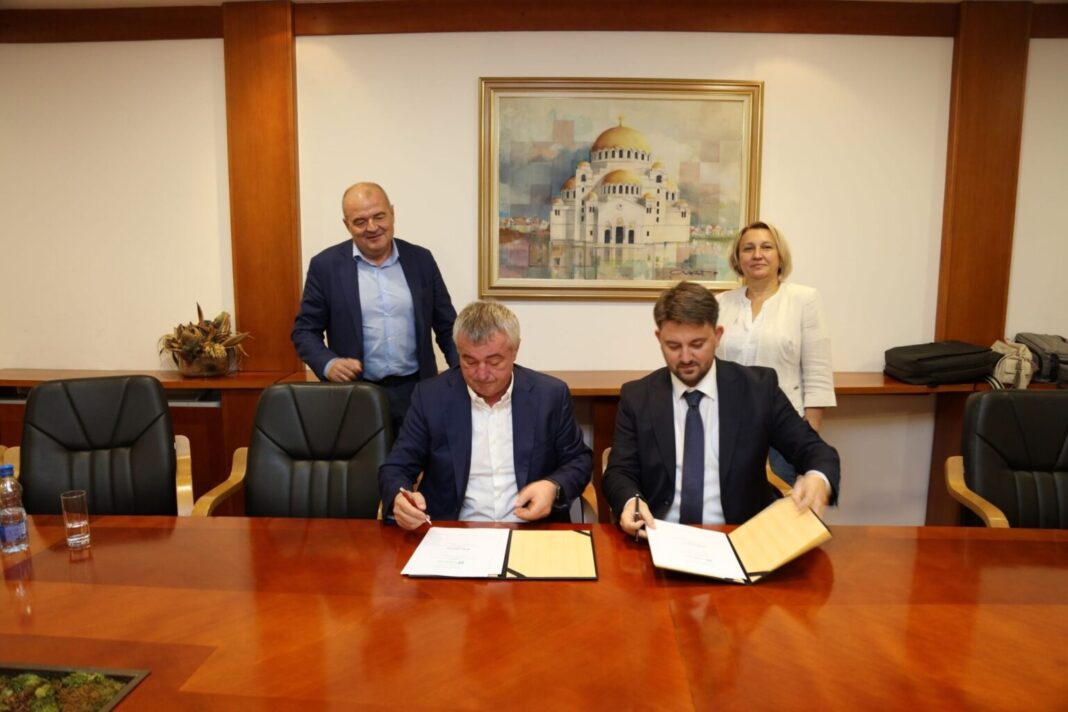
Meanwhile, Macedonia and Serbia have taken a significant step towards a new energy connection – last week, a Memorandum of Cooperation was signed between NOMAGAS and Srbijagas for the construction of an interconnector between Klečovce and Vranje, with a total length of 70 kilometers, out of which 23 kilometers will be on Macedonian territory. The project will also involve building of metering stations on both sides of the border. With support from the Western Balkans Investment Framework (WBIF), feasibility and environmental impact studies are already underway.
Through these two strategic connections, Macedonia is positioning itself as a new transit point for natural gas on the South-North route, i.e. from the TAP gas pipeline and the LNG terminal in Alexandroupolis to Serbia and Central Europe, with a capacity of up to 3 billion normal cubic meters per year. This is a direct support for the energy diversification of the entire region, with increased use of gas from different sources.
The construction of the 400/110 kV Ohrid-Elbasan connection will complete the electricity connection of Macedonia with all neighboring countries - a strategic project for the entire region.
In just one year, the foundations have been laid for a country that will turn from a net importer into a net exporter of electricity. An independent and modern system is being built that does not depend on a single route, a single supplier or a single energy source.
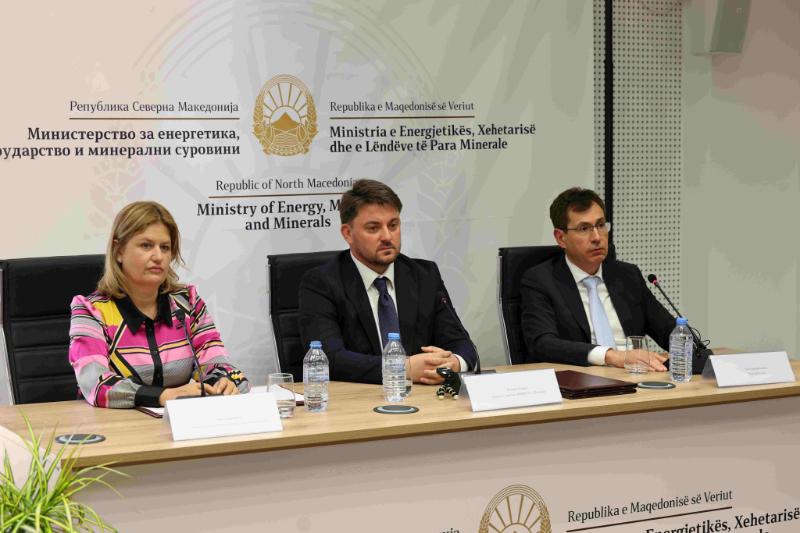
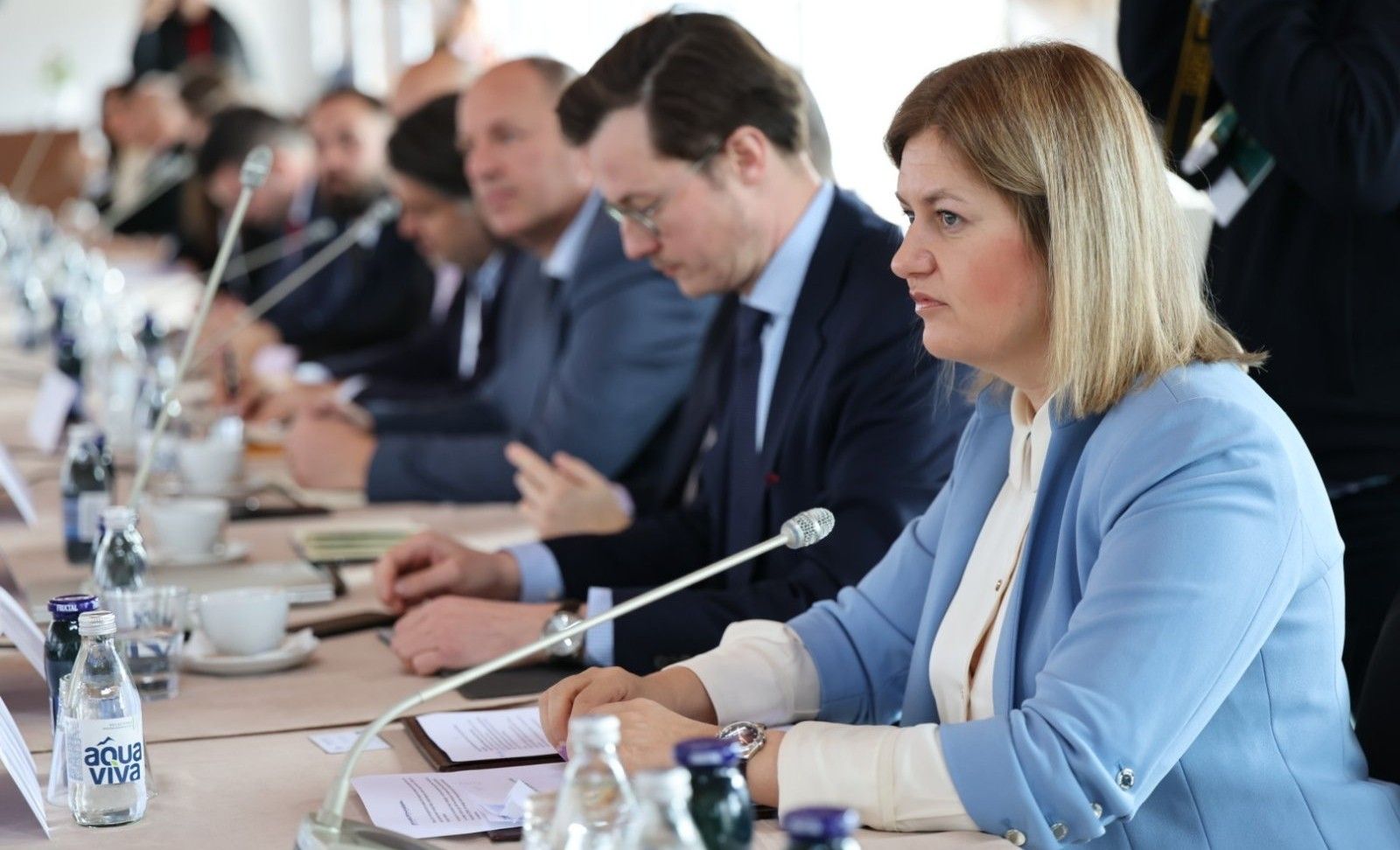
"This is the new strength of Macedonian energy. With regional interconnectors, Macedonia is no longer just an end consumer - it is becoming an active participant in the transmission and stability of energy in Southeast Europe. This is the path to secure energy, economic resilience and a strategic position on the energy map of the Balkans. Macedonia is building the new energy map of the Balkans", the minister of energy, mining and mineral resources Sanja Bozinovska says.
Plans for cogeneration energy capacities – efficiency, local production and new energy for cities
The focus of the energy transition is also the construction of new cogeneration plants – capacities that simultaneously produce electricity and heat, with high efficiency and significantly lower emissions of harmful gases. The Ministry of Energy is already working on plans for the development of such plants in several urban centers, in order to ensure local and reliable supply, especially in district heating systems.
Cogeneration plants are planned as modern, environmentally friendly facilities that will replace old and inefficient capacities, and at the same time will increase the stability of the national system. These plants are planned to operate with flexible fuel – with the possibility of switching to biofuels or hydrogen in the next phase of the transition.
Through these investments, Macedonia will gain a more competitive production model, reduce losses in the system and provide a better quality of life for citizens, especially in urban areas with high energy consumption. This is another step towards a modern, sustainable and decentralized energy system.
With Regards,
Ministry of energy, mining and mineral resources