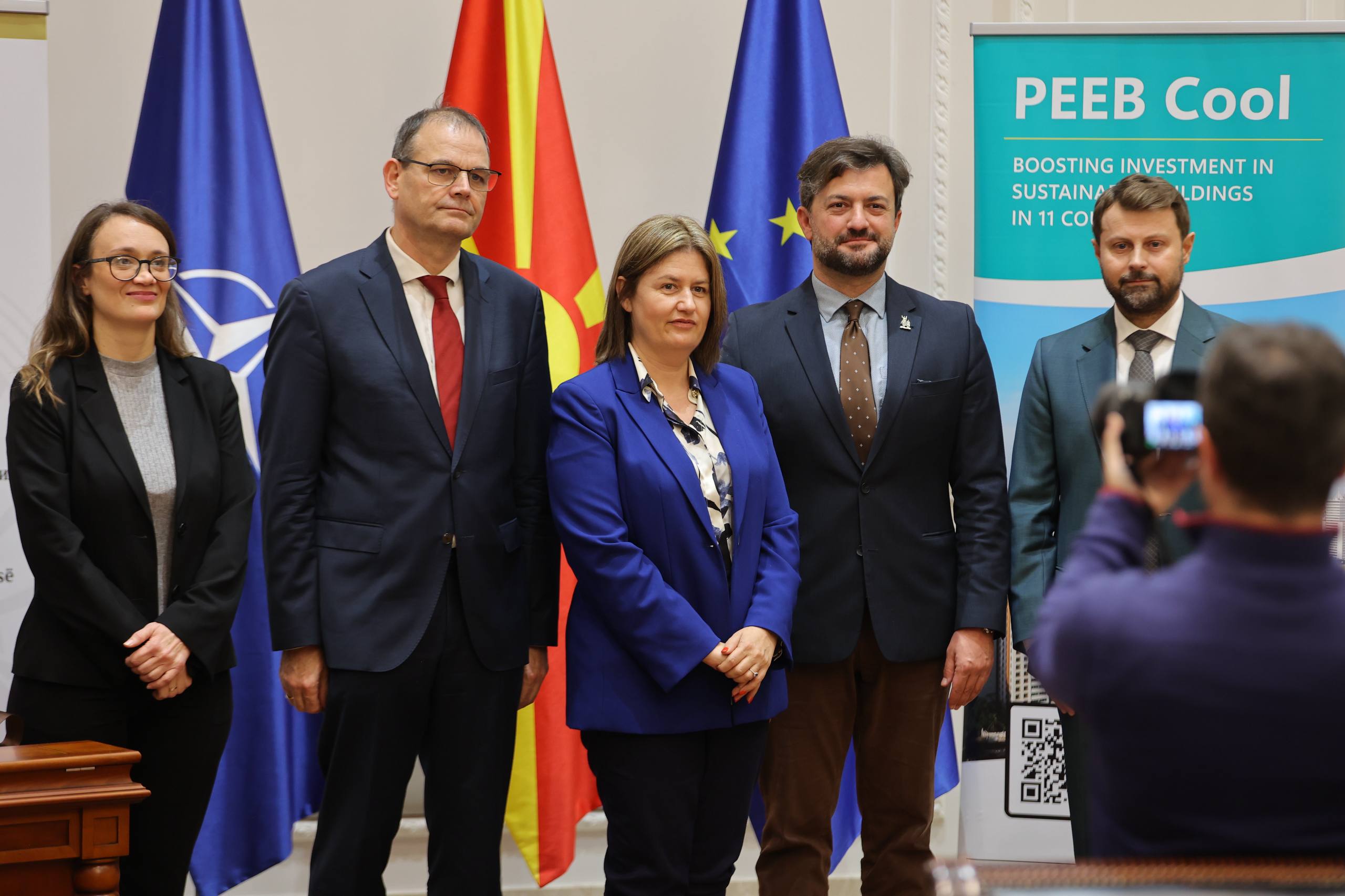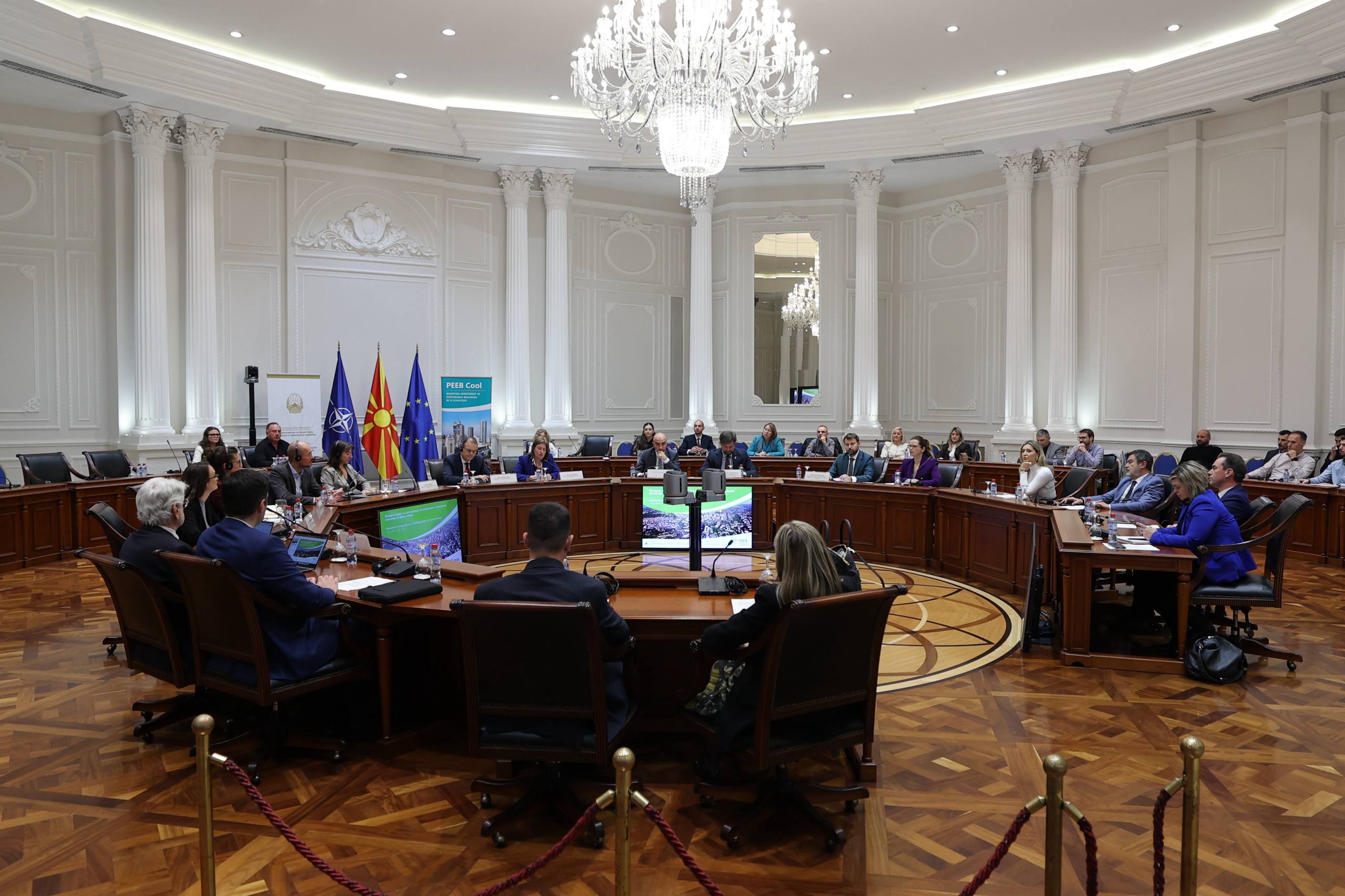
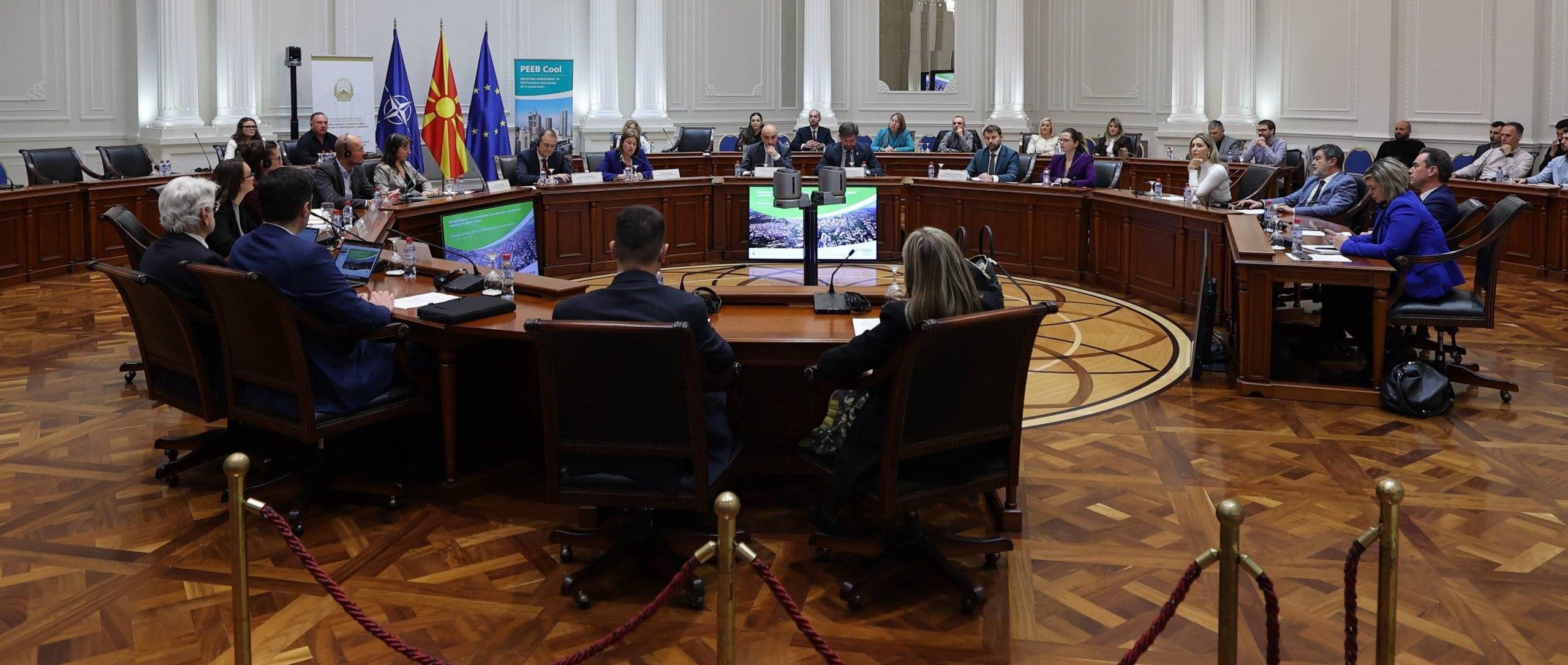
The process of creating a National inventory of public buildings-a database which should change the way the state plans, invests and manages with its public facilities began today.
The event, held in the Government’s Ceremonial Hall, brought together representatives from the relevant ministries, municipalities and public institutions, which reaffirmed the importance of the systematically collecting and analyzing relevant data on several thousand public buildings across the country.
The minister of energy, mining and mineral resources, Sanja Bozhinovska in her speech emphasized the reform significance of this process:
„This is a reform tool that allows us-finally-to have an accurate and complete picture of how the public sector functions through the lens of energy efficiency.
For the first time, we will consolidate data on energy consumption, emissions, the state of facilities and the renovation needs in one place. That knowledge is our strongest starting point. Without accurate and precise data there can be no smart policies, no good investments and no sustainable energy future.
We are not doing this just to fulfill a formal obligation-we are doing it to build public spaces that are energy efficient, resilient and modern. Spaces that mean lower bills, lower costs and more functional buildings-for institutions as well as for the citizens who use them on a daily basis.
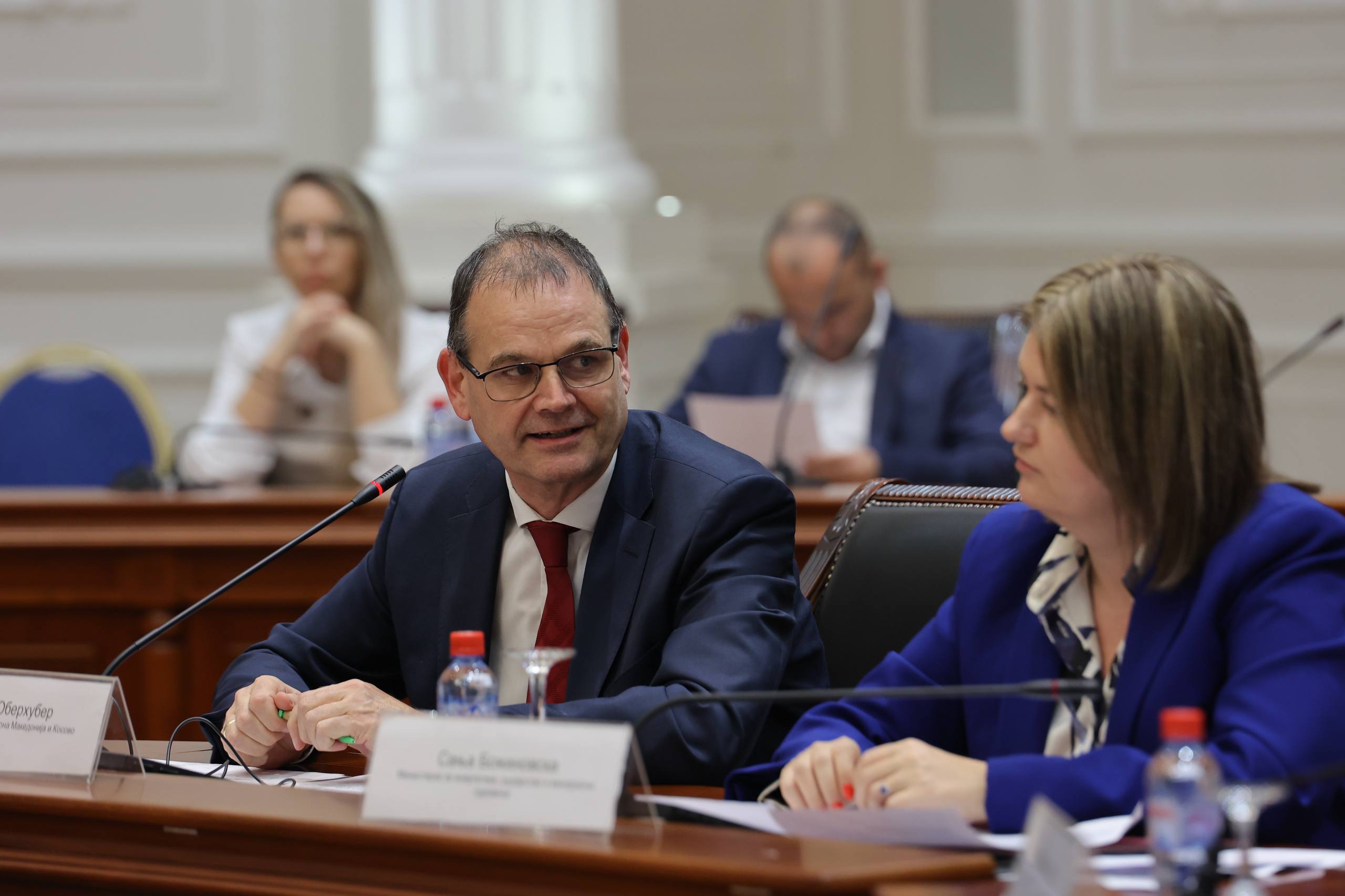
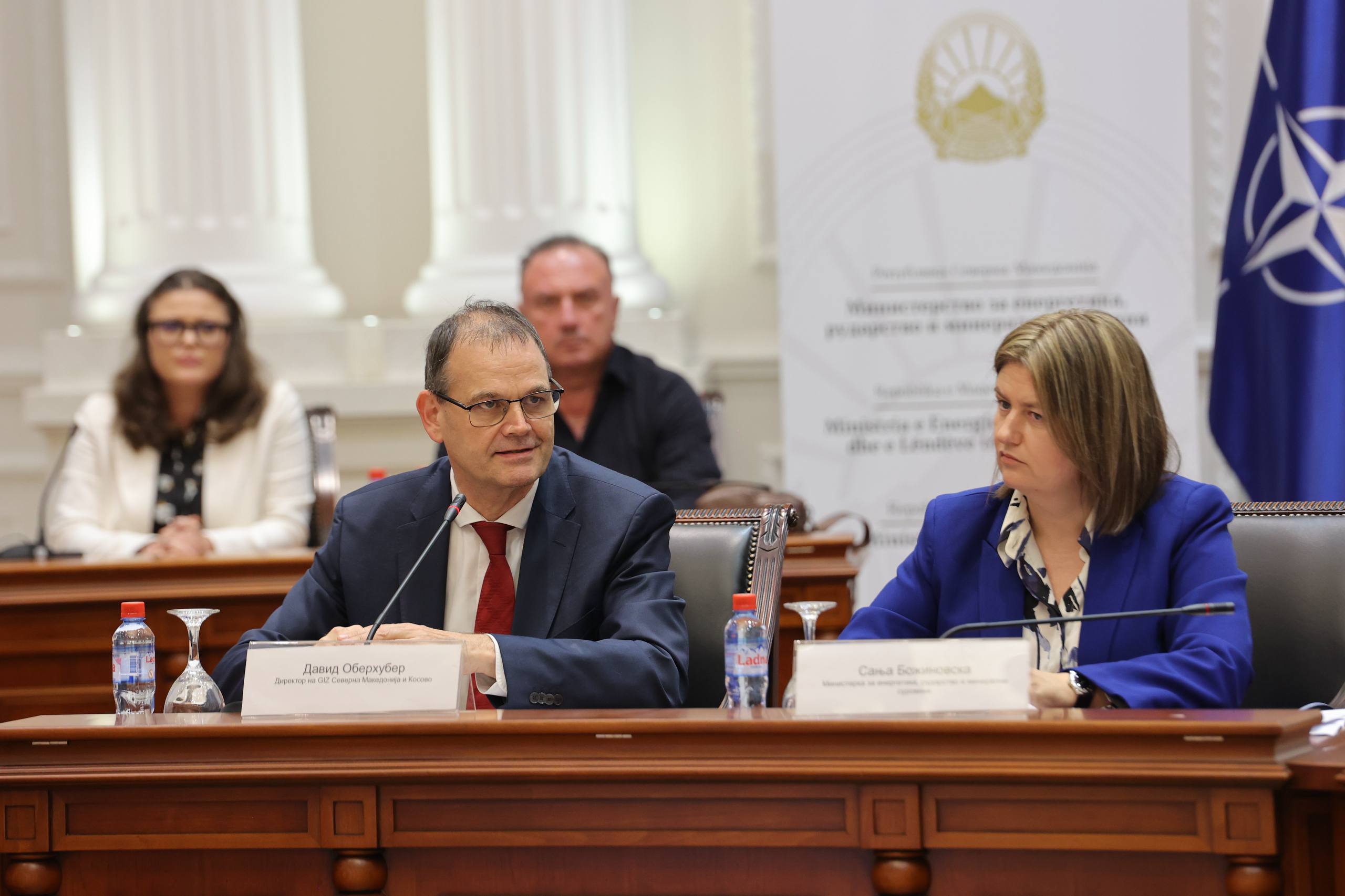
The director of the German Agency for international Cooperation (GIZ) for North Macedonia, David Oberhuber emphasized that the National inventory is not just a technical process, but an obligation toward the future:
„Investors– domestic or international–finance what is measurable. This inventory will give North Macedonia a clear picture of what it needs, but also a strong foundation to attract funds for renovating public buildings, reducing energy consumption and thereby make institutions better for the citizens. GIZ remains fully committed to this cooperation “.
Dame Dimitrovski also gave an adress, highlighting the ecological and the economic dimension of the process:
„Public buildings in Macedonia are among the largest energy consumers and also a significant source of emissions-not only CO₂, but also solid particles that affect the air quality in our cities. Each step toward their modernization and improvement of energy efficiency means not only fulfilling obligations toward the Energy community and international agreements, but also cleaner air, healthier communities, better work conditions and economically, more sustainable public institutions”.
The Government recognizes the importance of this issue. In recent years, we have begun preparations for series of strategic documents and programs on energy efficiency, renovation and modernization of public buildings “.
National Inventory-key tool for future investments
Public buildings –hospitals, schools, administrative buildings and cultural institutions – are among the largest energy consumers in the country.
The change in the management of these buildings is necessary because the public sector has the obligation to pave the way: to be an example of rational, sustainable and responsible use of energy.
National Inventory will enable:
- systematic assesment of the energy condition for every public building,
- defining priorities for renovation,
- preparation of investment portfolio,
- more efficient budget planning,
- improved services for the citizens.
This process is part of the Partnership for energy efficiency of buildings project (PEEB Cool), financed by the Green Climate Fund, French Development agency (AFD) and the German Government through GIZ.
With regards,
Ministry of energy, mining and mineral resources